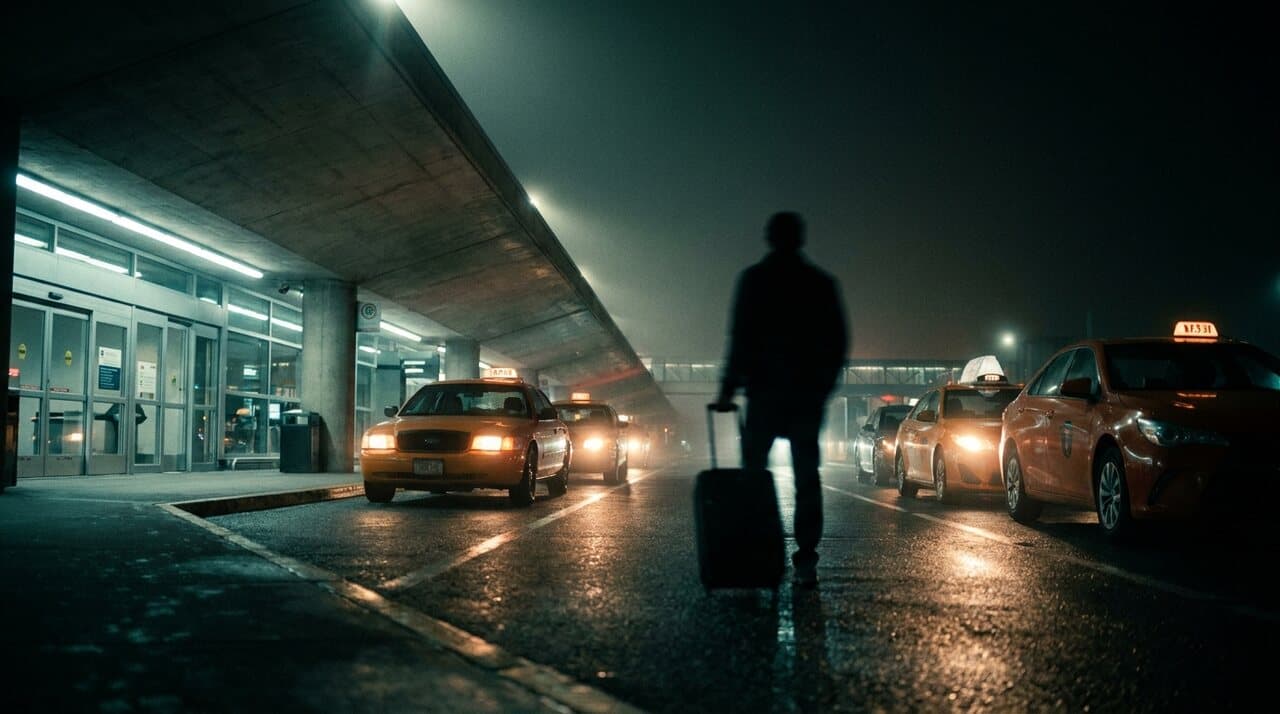
After 13 years flying first class with Emirates and landing in 90-plus countries, I've been through every type of airport arrival. The chaos of Cairo at 2am. The scrum outside Bali's Ngurah Rai. The slick operators at Rome's Fiumicino who can spot a jet-lagged tourist from 50 metres.
The number one way travelers lose money, or end up in an unsafe situation, is right there in the arrivals hall. Knowing how to avoid taxi scams at the airport is one of the most practical skills you can carry as a solo traveler. It doesn't require confrontation or suspicion. It just requires knowing what you're walking into.
Here's what I actually do, and what I tell every friend before their first big solo trip.
The Arrivals Hall Is Where the Scams Start
You've just cleared customs. You're tired, possibly carrying heavy luggage, and your phone is at 12%. Before you even reach the exit, someone approaches you. "Taxi? Very good price. Where you go?"
That person is almost never an official taxi driver.
The touts who work inside or just outside baggage claim operate on commission, or they're running their own informal service with no accountability, no meter, and no recourse if something goes wrong. Their opening line is always some version of "fixed price" or "special price for you." What they mean is: a price that's fixed in their favor.
My rule: never engage with anyone who approaches me inside the terminal. Walk past. Make no eye contact. Keep moving.
"Fixed Price" Usually Means Fixed to Rip You Off
A genuine fixed-price taxi service exists at many major airports, but it's sold at an official counter inside the terminal, not by a person who walks up to you. Bangkok's Suvarnabhumi has a clearly marked public taxi queue right after arrivals where the meter starts and you pay a small airport surcharge on top. The official rate to central Bangkok runs roughly 200 to 300 baht. The "fixed price" guy outside the exit will quote you 800 baht minimum.
Before I land anywhere new, I spend five minutes researching the real fare range from that airport to my hotel. I screenshot it. That number in my head changes everything. I'm not negotiating from zero. I'm negotiating knowing the real answer.
Fake Rideshare Drivers Are Getting More Sophisticated
Uber, Grab, Bolt, Careem. These apps exist specifically because they create accountability. You see the driver's name, face, plate number, and car model before you get in. That system works, but only if you actually verify every detail at the car.
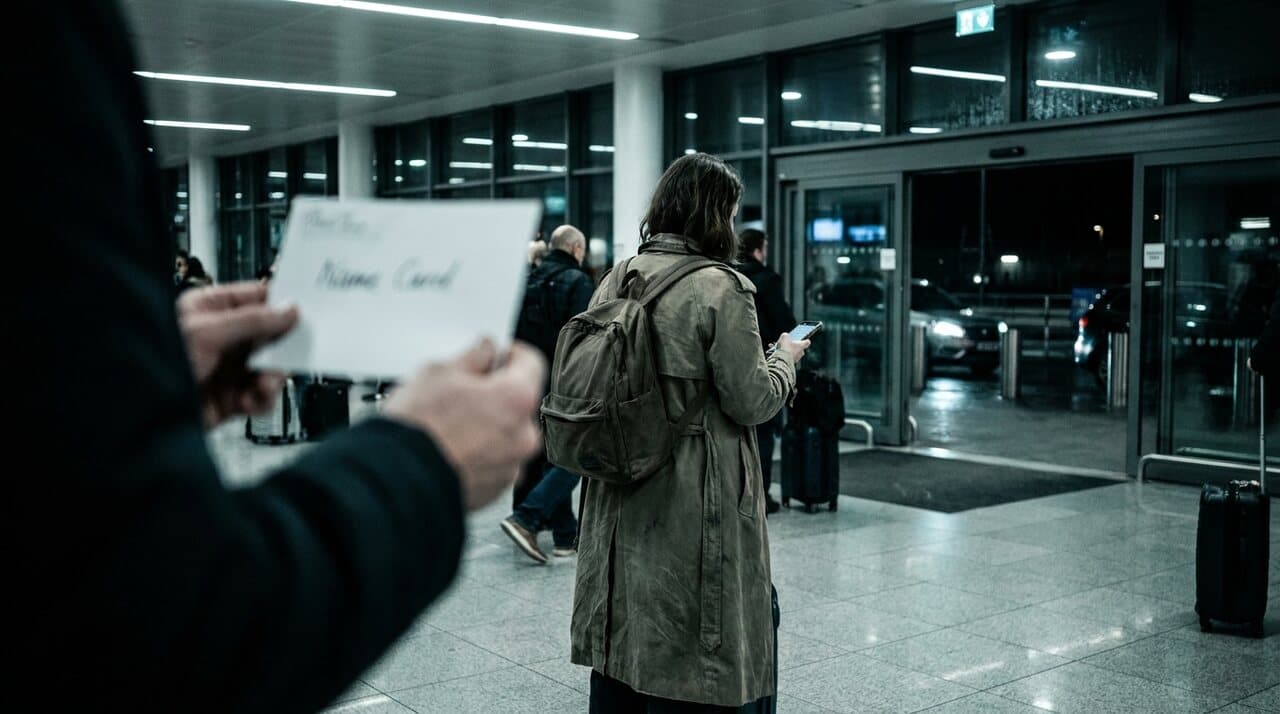
I've heard of travelers being approached at airports by people holding up a phone showing someone else's Uber booking, or a handwritten sign with their name. These are not your rideshare driver. They are hoping your jet-lagged brain will assume they are.
When your Grab or Uber arrives, check three things before you open the door. First: the license plate. Second: the driver's face against the photo in the app. Third: let the driver confirm your name rather than saying it yourself first. If any of those don't match, cancel the ride and report it in the app.
In countries where rideshare apps are banned or restricted (parts of Southeast Asia and the Middle East have limitations), the official airport taxi queue is almost always the safer option over any informal offer.
How to Avoid Taxi Scams at the Airport: The Meter Tricks
If you're in a metered taxi, two classic plays apply.
The first is the broken meter. The driver mentions, usually after you've pulled away, that the meter isn't working today. From that point, the fare becomes whatever they decide at the end. If a driver tells you the meter is broken before you depart, get out. There will be another taxi.
The second is route-padding. The driver takes a longer route, which sounds plausible if you don't know the city. The fix is to open your maps app and follow along. You don't need data to do this if you download the offline map for your destination before you fly. I do this on the plane.
What Cabin Crew Actually Do at Arrivals
When we landed in a new city, especially one known for airport taxi issues, the crew process was simple. Pre-arranged hotel transport where possible. If not, the official taxi counter, always, even if the queue was long. We never negotiated outside the terminal. We got the fare agreed before getting in, confirmed with a written receipt or a screenshot of the counter slip.
One more thing that sounds obvious but gets skipped: have local currency ready before you exit. Not a large note. Close to exact change. It removes the "I don't have change" trick where you hand over a large bill and get less back than you should.
The Short Version
- Research the real fare range before you land and screenshot it.
- Only use official taxi counters or rideshare apps booked through the app.
- Never get in a car with someone who approached you inside the terminal.
- Verify rideshare details: plate, driver photo, name confirmed by them.
- Keep your maps app open and follow the route.
- Have local currency in small denominations.
- If the meter is "broken," get out before you leave the kerb.
The arrivals hall is chaotic by design. The louder and more urgent someone seems, the more likely they want your confusion to work in their favor. Slow down. You have time.